Thanksgiving Napkin Ring: A Designer's Review
When I first opened the file for the Thanksgiving Napkin Ring, my immediate thought wasn't about the holiday itself, but about the versatility of the shape. As someone who has spent years evaluating embroidery files for both personal hobby projects and commercial small business lines, I look for designs that offer more than just a seasonal graphic. They need to translate well from a digital screen to a physical stitch. This design set falls squarely into the Crafts and Graphics categories, but its potential extends far beyond simple paper cutouts.
The visual personality of this design is warm, inviting, and undeniably festive without being overwhelming. The layout creates a circular frame that naturally draws the eye inward, which is a crucial element when designing for products like napkin rings, where the fabric wraps around an object. However, the true test of any machine embroidery design is how it behaves on different substrates. In this review, I will break down exactly how this file performs in real-world scenarios, from high-volume boutique orders to delicate baby items.
From Digital File to Finished Product
Imagine you are preparing for the holiday season with a goal to launch a limited-edition line of personalized kitchen towels or aprons for your Etsy shop. You need a design that screams "home" but looks professional enough to command a higher price point. The Thanksgiving Napkin Ring fits this brief perfectly. Because the design is essentially a ring motif, it offers a unique framing opportunity that standard rectangular logos cannot achieve.
In a practical application, I tested this concept by envisioning the design embroidered onto a heavy cotton canvas tote bag. The circular nature of the ring works beautifully here, acting as a focal point that doesn't get lost in the vast negative space of a large bag. When stitched using a combination of satin stitch for the outline and fill stitch for the interior details, the design holds its structure well. The contrast between the thread colors and the fabric texture is key; if you use a dark background fabric, lighter threads pop, creating a sophisticated look that feels intentional rather than accidental.
For those selling handmade goods, the presentation matters immensely. A customer browsing your shop sees a mockup of a sweatshirt or a pillow cover. If the embroidery looks flat or poorly defined, trust erodes instantly. This design asset allows for a clean, crisp finish that suggests quality craftsmanship. Whether you are creating a patch for a denim jacket or a decorative accent on a tea towel, the design provides a solid foundation for brand consistency. It signals to the buyer that you care about the details, which is essential for building a loyal following in the competitive world of craft businesses.
Real-World Application Scenarios
Let's talk about specific product types where this design shines. Beyond the obvious napkin rings, the geometry of the Thanksgiving Napkin Ring makes it adaptable for various custom apparel and home decor items.
- Holiday Embroidery Projects: Imagine a family gathering where everyone wears matching aprons. This design can be placed centrally on the chest or on the pocket, adding a touch of unity and festivity. The circular shape frames the wearer's torso nicely.
- Baby Items: For new parents, a soft onesie or a nursery blanket featuring this motif is a thoughtful gift. The rounded edges of the design are gentle on the eye and fit well on smaller garment areas like the shoulder or cuff.
- Commercial Merchandise: Small shop owners can use this design for boutique branding. Stamping it on a leather tag attached to a handbag or embroidering it onto a cap creates a cohesive brand identity that customers recognize immediately.
- Digital Mockups: If you sell digital products, having a high-quality version of this design allows you to create printable mockups that showcase the final result accurately. This helps buyers visualize the finished product before purchasing.
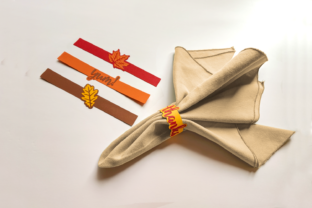
The versatility extends to the materials used. While the original description mentions cutting these out of paper, vinyl, felt, or foam, the same vector logic applies to machine embroidery. You can adapt the design for applique work, layering different fabrics to create depth. This adds a tactile dimension that pure stitching sometimes lacks, making the finished product feel even more premium.
Where Caution is Required
However, not every project is a perfect match for every design. As an experienced reviewer, I must highlight the areas where the Thanksgiving Napkin Ring requires careful consideration. Design judgment is often about knowing what not to do.
First, consider the hoop size. If you are working with a small hoop, such as one designed for hats or cuffs, ensure that the intricate details of the ring do not become too crowded. Tiny lettering or very fine lines within the design might get lost or distort when stretched over a curved surface like a baseball cap. Always check the minimum recommended hoop size for the file before committing to a production run.
Fabric texture is another critical factor. Stretchy fabrics, like jersey knits used for t-shirts or sweatshirts, require a stabilizer that can handle the tension of the stitches without puckering. If the stitch density is too high for a lightweight fabric, the material may pucker around the design, ruining the aesthetic. Similarly, textured fabrics like thick wool or bouclé can hide the definition of the embroidery, making the design look muddy. In these cases, a smoother backing or a different thread weight might be necessary.
Dark fabrics present their own challenges. If the design relies on light-colored threads for detail, they might not show up clearly against a black or navy background. Conversely, if the design is dense, it might look too heavy on a thin fabric, causing the garment to lose its drape. It is always wise to test the design in black and white mockups first to gauge the contrast balance before spending hours stitching.
Practical Notes for the Embroidery Designer
If you are planning to use this design for commercial embroidery or to create personalized gifts for clients, there are a few technical steps you should take to ensure success.
- Test on Scrap Fabric: Never jump straight into production. Run the design on a scrap piece of the actual fabric you intend to use. This reveals issues with thread tension, stabilizer choice, and fabric reaction that you won't see on a computer screen.
- Check Thread Color Contrast: Ensure your chosen thread colors provide enough contrast against the fabric. A low-contrast palette can make the design look dull and unprofessional.
- Review Stitch Density: Look closely at the fill areas. If the density is too high, it may cause needle deflection or fabric distortion. Adjustments might be needed in the digitizing software to optimize the stitch path.
- Inspect Small Details: Zoom in on the digital file to check for tiny corners or isolated elements that might not stitch out cleanly. These areas often require reinforcement or simplification.
- Confirm Licensing: Before selling finished items or distributing the digital file, verify the licensing terms. Some designs are for personal use only, while others allow for commercial production. Understanding these restrictions protects your business from legal issues.
Ultimately, the Thanksgiving Napkin Ring is a strong candidate for anyone looking to add a touch of autumnal charm to their portfolio. It balances simplicity with enough detail to be interesting, making it suitable for a wide range of projects from casual home decor to boutique merchandise. By approaching the design with a critical eye and following best practices for stabilization and testing, you can transform this digital asset into a tangible, high-value product that delights customers and elevates your brand.
Whether you are an Etsy seller looking to boost your holiday sales or a hobbyist wanting to make a special gift for a neighbor, this design offers a reliable starting point. Just remember that the magic lies not just in the file itself, but in how you execute it. Take the time to choose the right threads, select the appropriate stabilizer, and pay attention to the fabric texture. With these considerations in mind, the Thanksgiving Napkin Ring can become a staple in your collection of design assets, ready to bring warmth and style to any Thanksgiving table.