Mermaid: A Designer's Take on Real-World Embroidery
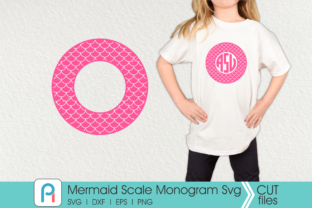
As someone who has spent years stitching custom apparel and reviewing digital assets for small business owners, I approach every new design with a mix of excitement and skepticism. The market is flooded with "cute" graphics, but few translate well from a screen to the fabric under a needle. Today, I am evaluating Mermaid, a vector graphic described as a mermaid scales monogram intended for cutting machines, printing, and other software. While the product description highlights its utility for Graphics and Crafts, my goal here is to determine if this design holds up when treated as a serious machine embroidery design for commercial or personal projects.
The First Impression: Mood and Visual Personality
When you first open the folder containing the Mermaid files, what strikes you immediately is the thematic clarity. The concept of a mermaid scales monogram suggests a blend of organic texture and structured typography. In the world of handmade products, this duality is crucial. It creates a mood that is whimsical yet sophisticated, perfect for brands that want to avoid looking too childish while still maintaining a playful aesthetic.
The visual personality of Mermaid feels fluid. Unlike rigid geometric logos, a mermaid theme implies movement and softness. For an embroidery project, this translates to how the stitches will interact with the fabric. If the design relies heavily on fine lines to define the scales, it might struggle on stretchy fabrics. However, if the monogram aspect allows for bold lettering, it could serve as a stunning centerpiece for a boutique brand identity. The initial feeling is one of potential; it looks like a design that could anchor a collection of custom apparel or personalized gifts.
Real-World Application: From Screen to Stitch
I recently simulated using Mermaid for a specific client scenario: a line of eco-friendly tote bags and baby onesies for a new Etsy shop. The goal was to create a cohesive look that felt artisanal but professional. Here is how I envision Mermaid performing in these actual production environments.
For the tote bag design, the scale pattern offers a fantastic opportunity to use fill stitches. Imagine a deep teal thread filling the scales against a natural canvas background. This contrast would create a rich, tactile surface that invites touch. The monogram element would sit perfectly centered, acting as the focal point. Customers browsing an online store often rely on high-quality mockups; a well-executed Mermaid design in a printable mockup would significantly boost buyer engagement by showing a premium finish.
In the realm of baby embroidery, the stakes are slightly higher due to fabric delicacy. The mermaid theme is timeless for nurseries, but the execution must be gentle. If the file includes satin stitch elements, they need to be spaced correctly to avoid puckering on thin cotton. The design works beautifully for holiday embroidery items like Christmas stockings or Easter baskets, where the mythical creature adds a unique twist to traditional seasonal decor. For commercial embroidery on sweatshirts, the design could act as a chest logo or a large back print, depending on the complexity of the vector data provided.
Where Caution is Required
While Mermaid has charm, no single design fits every scenario. As a reviewer, I must highlight where this asset might falter. The primary concern lies in the hoop size and the density of the details. If the monogram includes tiny serifs or intricate scale textures that are too small, they may disappear entirely when stitched on a curved surface like a cap or a hat.
Textured fabrics present another hurdle. If you attempt to embroider Mermaid on a heavy linen or a boucle knit without proper stabilization, the design could distort. Similarly, dark fabric requires careful consideration of thread colors. A light-colored scale pattern might get lost unless you use a high-density underlay or a contrasting colorway. Furthermore, products that require frequent washing, such as kitchen towels or aprons, demand a robust stitch structure. If the design relies on long running stitch segments, they may fray over time unless reinforced.
It is also important to note that the product description mentions files suitable for cutting machines and printing. This means the raw vector data might not be optimized for direct machine embroidery. You may need to trace the vector into a stitch file manually or convert it using digitizing software. Without knowing the exact stitch count or file formats included beyond the zip download, I strongly advise checking the technical specifications before attempting a large batch run.
Impact on Product Value and Brand Trust
The quality of your design assets directly influences customer trust. A sloppy stitch job can make a handmade product look cheap, regardless of the material used. Conversely, a clean, well-placed Mermaid design signals professionalism. When a customer sees a consistent, crisp logo on a sweatshirt embroidery project, they perceive value in the brand.
This design has the power to enhance brand consistency. Whether you are selling small shop products at a craft fair or listing items on a major marketplace, having a recognizable motif helps customers identify your work instantly. The mermaid theme is particularly effective for giftability; it evokes a sense of wonder that appeals to a wide demographic, from children to adults who appreciate fantasy aesthetics. By ensuring the design translates well to a finished product, you protect your reputation as a reliable maker.
Practical Notes for the Embroidery Designer
Before you commit Mermaid to your production line, there are several steps I recommend taking to ensure success. First, always test the design on scrap fabric that matches your final material. This simple step reveals issues with thread colors or fabric texture that aren't visible on a screen.
Review the stitch density carefully. If the design feels too dense, consider simplifying the scale pattern to prevent fabric bunching. Confirm your hoop size aligns with the dimensions of the design; trying to force a large graphic into a small hoop can lead to distortion. Inspect small details, especially if the monogram text is intricate, to ensure legibility after stitching.
Don't forget to check the licensing terms. Even though this is a digital embroidery file available for purchase, some licenses restrict commercial use or limit the number of finished items you can sell. Verify whether you can use the design for apparel decorators or if it is restricted to personal hobbies. Additionally, compare the design in black and white mockups to ensure the composition works without relying solely on color. Finally, use the proper stabilizer for your fabric type to maintain the integrity of the applique design or standard embroidery.
In conclusion, Mermaid presents a compelling option for creatives looking to add a touch of fantasy to their craft business. Its potential to elevate handmade product lines is significant, provided the technical aspects are managed with care. By treating this design with the same scrutiny as any other professional asset, you can turn a simple vector graphic into a standout feature of your next embroidery project.