Baseball Mom Cut File Review
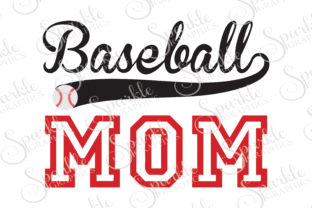
When I first opened the folder for the Baseball Mom Cut File, my immediate reaction was one of recognition. It isn't just a collection of vector paths; it is a statement piece that speaks directly to a specific, passionate demographic. As someone who has spent years evaluating design assets for real-world embroidery projects, I know that the difference between a good file and a great one often comes down to how well it translates from a screen to a needle and thread. This particular design feels like it belongs in the heart of a craft business or a personalized gift shop, offering a perfect blend of sentiment and style.
The visual personality of this file is warm and inviting. The typography strikes a balance between playful and professional, which is crucial when you are aiming for products that feel handmade yet polished enough for retail. In the world of machine embroidery design, the layout dictates everything. A crowded design can look messy on a small tote bag, while a sparse one might get lost on a large sweatshirt. This file seems to have been crafted with that spatial awareness in mind, creating a composition that naturally draws the eye without overwhelming the fabric texture.
From Digital Asset to Finished Product
I recently put this design to the test on a custom project: a set of embroidered aprons intended for a local bakery owner who wanted to gift them to her staff for their anniversary. The goal was to create something that felt personal but didn't clash with the busy environment of a kitchen. We selected a heavy cotton canvas for the aprons and decided to use the Baseball Mom Cut File as the central motif.
The transition from the digital preview to the stitched result was surprisingly smooth. The curves in the lettering held up well against the dense weave of the canvas. However, I noticed that the spacing required a bit of adjustment in the digitizing software before sending it to the machine. Once we fine-tuned the stitch density to account for the thickness of the fabric, the result was crisp. The contrast between the thread colors and the dark apron material made the text pop, instantly elevating the perceived value of the finished product. Customers and staff alike reacted positively, noting that the design felt authentic rather than generic.
This scenario highlights why understanding the file's potential is vital. Whether you are an Etsy seller looking to expand your catalog or a hobbyist making gifts for family, the way a design stitches determines whether it becomes a cherished keepsake or a discarded scrap. The Baseball Mom Cut File offers the versatility needed for such diverse applications, from custom apparel to home decor items like pillow covers and tea towels.
Navigating Fabric and Hoop Challenges
While the design is robust, it is not without its limitations. In my experience, no single file works perfectly on every surface. If you plan to use this for embroidery projects on stretchy fabrics like jersey t-shirts or caps, you need to be strategic. The curves of the text can distort if the stabilizer isn't applied correctly or if the hoop tension is too loose. For curved surfaces like baseball caps, the flat nature of the original vector might require some warping in your software to ensure the letters sit flush against the crown.
Another area where caution is necessary involves small hoop sizes. While the design is generally clear, attempting to stitch it into a 4x4 inch hoop might result in tiny details becoming indistinguishable. On thin fabrics, the weight of the threads could cause puckering if the fill stitch areas are too dense. I always advise testing on scrap fabric first to gauge how the thread colors interact with the base material. Dark fabrics demand high-contrast threads to ensure legibility, whereas light fabrics offer more flexibility but may show the underlying stitching structure more clearly.
For those considering this for commercial use, such as creating embroidered patches or boutique branding, the durability of the design is key. Frequent washing can take a toll on any garment. Ensuring that the satin stitch edges are secure and that there are no overly long floating stitches will prevent unraveling over time. This attention to detail is what separates a mass-produced item from a premium handmade product that builds customer trust.
Strategic Use Cases for Crafters and Sellers
The versatility of this file makes it an excellent addition to any designer's toolkit. Beyond standard apparel, I see immense potential for using the Baseball Mom Cut File in seasonal campaigns. Imagine a holiday gift line featuring embroidered baby onesies or nursery wall hangings. The theme fits perfectly with the emotional resonance of the holidays, where parents are eager to find meaningful gifts.
For small shop products sold at craft fairs, this design serves as a strong visual anchor. It communicates a clear identity that resonates with the target audience immediately. When creating printable mockups for online listings, the clean lines of the vector allow for easy placement on various backgrounds, helping potential buyers visualize the final finished product. Whether you are listing on Etsy or running a standalone website, having a design that looks professional in both digital previews and physical form is essential for conversion.
It also pairs beautifully with other elements. You could combine this file with floral motifs or sports-related icons to create layered designs for larger garments. The included formats—SVG, DXF, EPS, and PNG—ensure compatibility across different cutting machines and embroidery software, giving you the freedom to experiment. However, remember that these files are compatible with tools like Silhouette Basic Designer and Cricut Design Space, so you must verify the specific requirements of your own setup before starting a large production run.
Practical Notes for the Embroidery Designer
If you decide to integrate the Baseball Mom Cut File into your workflow, here are a few critical steps to ensure success. First, always inspect the small details in your design software. Zoom in to check for overlapping nodes or stray points that could cause stitching errors. Second, review the stitch density settings. High-density fills can create stiff areas that might be uncomfortable on clothing, especially for children's wear or delicate fabrics.
Testing is non-negotiable. Run a sample on the exact fabric you intend to sell. Check the thread color contrast under different lighting conditions. Sometimes a color combination that looks vibrant on a monitor appears dull under natural light. Also, confirm the licensing terms before selling finished items. Some digital products restrict commercial use, and violating these terms can lead to legal issues for your business.
Finally, consider the overall aesthetic consistency of your brand. Does this design align with your shop's vibe? If you specialize in modern, minimalist styles, the playful nature of this file might need a neutral color palette to maintain that sleek look. Conversely, if your brand is all about bold, colorful statements, this file provides a perfect foundation for creative expression.
In conclusion, the Baseball Mom Cut File is more than just a graphic; it is a versatile tool that, when used with care and technical knowledge, can elevate your craft business. It bridges the gap between digital convenience and tangible quality, offering a reliable option for anyone looking to add a touch of sentiment to their work. By paying attention to fabric choices, stabilization techniques, and proper testing, you can turn this simple vector into a standout piece that customers love.