30 Baseball Logos and Badges for Modern Graphics
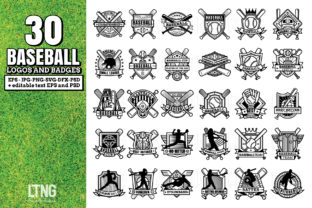
As a digital publisher who has spent years refining the visual identity of content sites, I know that the difference between a blog that feels amateurish and one that commands authority often comes down to the smallest details. Recently, I evaluated a specific graphic design asset called 30 Baseball Logos and Badges to see if it could elevate our sports editorial section. This collection is not just a pile of clip art; it is a curated set of modern, retro, and vintage baseball logos, badges, emblems, and design elements ready for T-shirt design, logo design, badge design, emblems, sport shop signs, and much more.
The immediate impression when opening this folder was one of versatility. For a content creator managing an affiliate blog or a niche site, having access to design assets that can be easily modified is a game-changer. The style strikes a perfect balance between playful nostalgia and professional polish. It creates an editorial mood that feels authentic to the sport without looking dated or cheap. Whether you are building a category page for a local league or creating downloadable resources for coaches, these illustrations support a brand identity that readers will trust.
Elevating Editorial Design with Authentic Visuals
In the world of content marketing, visual hierarchy is everything. When a reader lands on your page, they scan before they read. A strong website header or featured image needs to stop the scroll. I tested 30 Baseball Logos and Badges as a primary visual element for a series of articles about youth sports training. The result was a dramatic improvement in perceived quality.
These graphics work exceptionally well for creating a cohesive look across different platforms. Imagine using one of the vintage-style emblems as a watermark on a digital guide or as a badge on a newsletter banner. The consistency helps build a recognizable brand identity. Instead of searching for disparate icons that might clash in style, this single download provides a unified aesthetic. It allows small business owners and creative entrepreneurs to maintain a high standard of commercial design without hiring a full-time graphic designer.
The ability to modify these files means you can adapt them to fit any Canva template workflow. You might take a bold, modern badge and change the color palette to match your current season's theme, or overlay text on a retro emblem to create a custom title card. This flexibility is crucial for web design projects where every pixel counts towards user engagement.
Real-World Applications for Bloggers and Publishers
I put this asset through a rigorous publishing workflow to see how it performs in real scenarios. Here is how 30 Baseball Logos and Badges transformed my content strategy:
- Pinterest Pins: These designs are perfect for creating eye-catching Pinterest graphics. The distinct shapes and retro flair stand out in a crowded feed, driving higher click-through rates to your articles.
- Digital Guides and Lead Magnets: When offering a free printable worksheet or a comprehensive eBook cover, adding a professional badge instantly elevates the perceived value of the digital product.
- Social Media Graphics: Use the various emblems to create consistent branding for Instagram posts or Facebook ads. They serve as excellent anchors for text-heavy announcements.
- Category Thumbnails: On a busy homepage, these blog graphics help users quickly identify sections related to sports, leagues, or team news.
- Newsletter Headers: A subtle emblem in the top corner of your email blast adds a touch of personality that encourages subscribers to open your message.
For affiliate marketers promoting sports gear, these visuals can be used to create comparison charts or "best of" lists that look polished and trustworthy. The asset supports a narrative of expertise, making your recommendations feel more authoritative.
Strategic Placement for Maximum Impact
To get the most out of these creative design elements, placement matters. They shine brightest in hero images where they can be displayed large and clear. Using a bold emblem as a background texture behind a headline can create a striking visual hierarchy that guides the reader's eye directly to the call-to-action.
They are also ideal for editorial accents. If you are writing a long-form piece about the history of the game, inserting a small, vintage badge next to pull quotes breaks up the text and keeps the reader engaged. For downloadable printables, such as scorecards or practice planners, these illustrations add a layer of fun that users actually want to keep and use.
However, even the best modern design requires strategic restraint. There are situations where you should use these assets carefully. If your website serves a serious professional niche, such as corporate finance or legal advice, a playful baseball theme might undermine your credibility. Similarly, on very minimal websites that rely on stark typography, a complex badge could clutter the layout.
Mobile optimization is another critical factor. While these graphics look great on desktop, always check how they appear as small mobile thumbnails. If the details are too intricate, they may become muddy on a phone screen. In text-heavy blog images, ensure the logo does not compete with the main message. Always prioritize readability over decoration.
Publisher Notes for Technical Success
Before integrating 30 Baseball Logos and Badges into your live site, there are several technical checks you must perform. First, test the asset on both desktop and mobile screens to ensure it scales correctly. Preview it inside a real blog layout to see how it interacts with your existing color scheme and fonts.
Contrast and readability are non-negotiable. Try placing the graphic beside serif fonts, sans-serif fonts, script fonts, handwritten fonts, and display font styles. Does it complement the typography, or does it fight for attention? I recommend testing the design in black and white first to ensure the shapes hold up without relying on color alone.
File size is also a major consideration for web performance. Large, uncompressed images can slow down your site, hurting your SEO rankings. Review the file size for web performance and compress images properly before uploading them to your media library. Finally, confirm the commercial license before using these assets on monetized websites, affiliate pages, or paid content products. Ensuring you have the right permissions protects your business from future legal issues.
Ultimately, this collection of design assets offers a powerful tool for anyone looking to improve their online presence. By choosing the right visual language, you signal to your audience that your content is worth their time. Whether you are launching a new small business branding campaign or refreshing an old blog, these baseball logos provide the polish needed to succeed in a competitive digital landscape.
When you combine high-quality editorial design with smart content marketing strategies, the results speak for themselves. Readers notice the difference, trust the brand more, and are more likely to engage with your material. Investing in a versatile digital download like this is a smart move for any forward-thinking publisher.